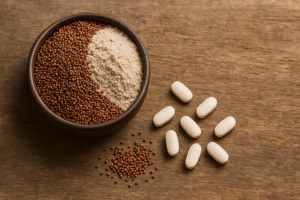
For centuries, Indian households depended on natural foods to build strong bodies. There were no tablets, powders, or processed nutrition drinks. Instead, people relied on traditional grains like ragi, also known as finger millet. Elders often credit this humble grain for tough bones, steady stamina, and calm nerves. Today, as modern supplements dominate the market, ragi is making a comeback, supported by doctors and nutrition experts who highlight its unmatched benefits.
Why ragi is special: Doctors’ view of its significant benefits
Health professionals describe ragi as one of the richest natural sources of calcium among cereals. It also contains:
-
Calcium that the body absorbs more easily
-
Good quality plant protein
-
Iron and fiber
-
Vitamin D precursors that support bone health
-
Natural tryptophan, which helps relax the mind
Doctors point out that the presence of fiber and slow-release carbohydrates helps maintain steady energy. This is useful for children, athletes, and adults dealing with long work hours or stress.
Another major benefit is its impact on mental well-being. The amino acids in ragi support better sleep patterns and a calmer mood. Many nutritionists recommend ragi for people experiencing anxiety, irritability, or fatigue.
Calcium supplements vs. ragi: Which is more beneficial?
Calcium tablets may look convenient, but they often lack supporting nutrients needed for proper absorption. Many supplements pass through the body without being fully used. Some can even cause digestive issues or increase the risk of kidney stones.
Ragi, on the other hand, offers a natural combination:
-
Calcium with magnesium for absorption
-
Vitamin D precursors
-
Fiber that supports digestion
-
Natural antioxidants
This synergy helps the body absorb and utilize calcium more effectively. Experts believe that food-based calcium is safer and more beneficial in the long term.
What’s right for women after menopause?
After menopause, women face rapid bone loss due to reduced estrogen levels. This increases the risk of osteoporosis and fractures. Doctors often advise higher calcium intake during this stage, but many women struggle with supplement side effects.
Ragi serves as a gentle and effective option. Its natural calcium, combined with iron and fiber, supports bone strength and overall health. It also helps maintain stable blood sugar levels, which is important for women facing hormonal changes.
Including ragi in daily meals can help women avoid dependency on pills while improving bone density over time.
Why is ragi important every day?
Regular consumption offers several daily benefits:
-
Builds stronger bones
-
Supports healthy digestion
-
Maintains steady energy
-
Helps control weight
-
Improves sleep quality
-
Supports heart health
Ragi is versatile, making it easy to include in daily diets. It can be consumed as porridge, dosa, roti, malt drink, cookies, or even added to smoothies.
Nutritionists say consistency matters. Small daily servings can create lasting improvements in bone strength and overall wellness.
FAQs (Frequently Asked Questions)
1. How much ragi should I eat daily?
One small bowl or two rotis is usually enough for most adults.
2. Can children eat ragi?
Yes, ragi is excellent for growing children because of its calcium and iron content.
3. Does ragi help with weight loss?
Its high fiber content keeps you full longer, which can support healthy weight management.
4. Can ragi replace calcium supplements?
In many cases, yes. However, people with severe deficiencies should consult a doctor.
5. Is ragi safe for diabetics?
Yes, its slow-release carbohydrates help control blood sugar levels.
Ragi may be ancient, but its power remains relevant today. As more people return to natural nutrition, this traditional grain stands out as a simple yet effective way to build stronger bones and healthier lives.