SOC 2: Ensuring Trust and Security in the Digital Age
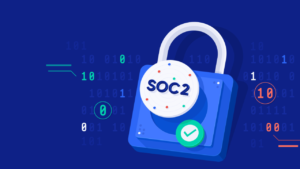
In today’s interconnected business landscape, data security and privacy have become paramount concerns for organizations and their clients. SOC 2 has emerged as a critical standard for demonstrating an organization’s commitment to protecting sensitive information and maintaining robust security practices.
SOC 2 is a cybersecurity compliance framework developed by the American Institute of Certified Public Accountants (AICPA). Unlike other compliance standards, SOC 2 focuses specifically on how service providers manage and protect customer data. It’s particularly important for cloud service providers, SaaS companies, and organizations that handle sensitive information.
The Five Trust Service Criteria
SOC 2 is built around five core trust service criteria:
- Security: The foundational principle that ensures systems are protected against unauthorized access. This involves implementing firewalls, multi-factor authentication, and robust access controls.
- Availability: Focuses on ensuring systems are operational and accessible as agreed upon in service contracts. This includes monitoring system performance and implementing disaster recovery plans.
- Processing Integrity: Guarantees that system processing is complete, accurate, timely, and authorized. It ensures data is processed correctly and completely.
- Confidentiality: Protects sensitive information from unauthorized disclosure. This involves encryption, access controls, and data classification mechanisms.
- Privacy: Addresses how personal information is collected, used, retained, and disclosed in compliance with privacy principles.
The SOC 2 Audit Process
Obtaining a SOC 2 certification involves a comprehensive audit conducted by an independent CPA firm. The process typically includes:
- Extensive documentation of security policies and procedures
- Detailed review of internal controls
- On-site assessments
- Thorough examination of security practices
- Preparation of a detailed report
Types of SOC 2 Reports
- Type I Report: Evaluates the design of security controls at a specific point in time
- Type II Report: More comprehensive, assessing the operational effectiveness of controls over a specified period (usually 6-12 months)
Benefits of SOC 2 Compliance
- Enhanced Customer Trust: Demonstrates a commitment to data protection
- Competitive Advantage: Differentiates your organization in the marketplace
- Improved Internal Security Practices
- Risk Mitigation
- Potential Reduction in Security Breaches
Challenges in Achieving SOC 2 Compliance
While valuable, obtaining SOC 2 certification can be challenging:
- Significant time and resource investment
- Requires comprehensive security infrastructure
- Ongoing maintenance of security practices
- Potential need for external consultants
Who Needs SOC 2 Compliance?
Particularly crucial for:
- Cloud service providers
- SaaS companies
- Financial technology firms
- Healthcare technology providers
- Any organization handling sensitive customer data
Preparing for SOC 2 Certification
Key steps include:
- Conduct a comprehensive security assessment
- Develop robust internal policies
- Implement necessary security controls
- Maintain detailed documentation
- Engage with experienced compliance professionals
Conclusion
SOC 2 is more than just a compliance checkbox – it’s a comprehensive approach to demonstrating an organization’s commitment to data security and customer trust. In an era of increasing cyber threats and data privacy concerns, SOC 2 certification has become a critical differentiator for forward-thinking companies.
By adhering to its rigorous standards, organizations can not only protect their clients’ sensitive information but also build a reputation for reliability and professionalism in an increasingly digital world.