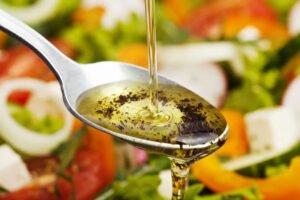
Adding seasoning or a light dressing to your meal does more than improve taste. According to scientists, everyday ingredients like black pepper and olive oil can actually help your body absorb more vitamins and minerals from food.
Black pepper has been valued for thousands of years, not just for flavour but for its functional benefits. First cultivated in India over 3,500 years ago, it was once among the most precious commodities in the ancient world. Today, it’s usually added without much thought. Yet this common spice may quietly play a powerful role in improving nutrition.
Why Nutrients Are Harder to Absorb Than You Think
Even foods rich in vitamins and minerals do not always deliver all their benefits to the body. For nutrients to be absorbed, they must first be released from what scientists call the food “matrix” the complex structure of proteins, carbohydrates, fats, and fibres that give food its shape and texture.
Sweetcorn is a classic example. While it contains fibre, protein, vitamins, and micronutrients like potassium, its tough outer shell can prevent nutrients from being released if it is not chewed properly.
“When you eat sweetcorn without adequately chewing, it passes all the way through your gastrointestinal tract and the nutrients inside are still trapped,” says David Julian McClements, professor of food science at the University of Massachusetts.
Chewing helps break down this matrix, allowing nutrients to be digested and absorbed.
The Role of Black Pepper in Nutrient Absorption
Black pepper contains a natural compound that improves the bioavailability of nutrients. In simple terms, it helps vitamins and other beneficial compounds cross the gut barrier and enter the bloodstream more efficiently.
This is why black pepper is often paired with nutrient-rich foods. It does not add nutrients on its own, but it helps your body make better use of what is already there.
Why Olive Oil Makes a Big Difference
Some vitamins need fat to be absorbed. Vitamins A, D, E, and K are fat-soluble, meaning they cannot dissolve in water alone.
“If you eat fat-soluble vitamins without any fat, they won’t dissolve and will simply pass through your system,” McClements explains.
When you consume these vitamins with fats such as olive oil, digestion breaks the fat down into microscopic particles called micelles. These micelles trap vitamins inside them and transport them through the digestive fluid to the intestinal cells, where they can be absorbed into the bloodstream.
This is why adding olive oil to vegetables, salads, or cooked dishes significantly increases the nutritional value of the meal.
When Absorption Becomes a Medical Challenge
For some people, absorbing nutrients is especially difficult. Conditions such as inflammatory bowel disease, celiac disease, chronic pancreatitis, liver disease, or damage caused by chemotherapy or radiotherapy can impair digestion and absorption.
In these cases, the body may struggle to digest fats or release bile, both of which are essential for absorbing fat-soluble vitamins. Scientists are now exploring how ingredients like black pepper and healthy fats can be used in fortified foods to help people with malabsorption issues get the nutrients they need.
Small Changes, Bigger Nutritional Gains
The science is increasingly clear. Nutrition is not only about what you eat, but how you eat it. Pairing vegetables with olive oil, adding black pepper to meals, and chewing food properly can make a meaningful difference in how many nutrients your body actually absorbs.
These small, everyday habits may help turn ordinary meals into more powerful sources of nourishment.